Introduction to Student Life in Korea
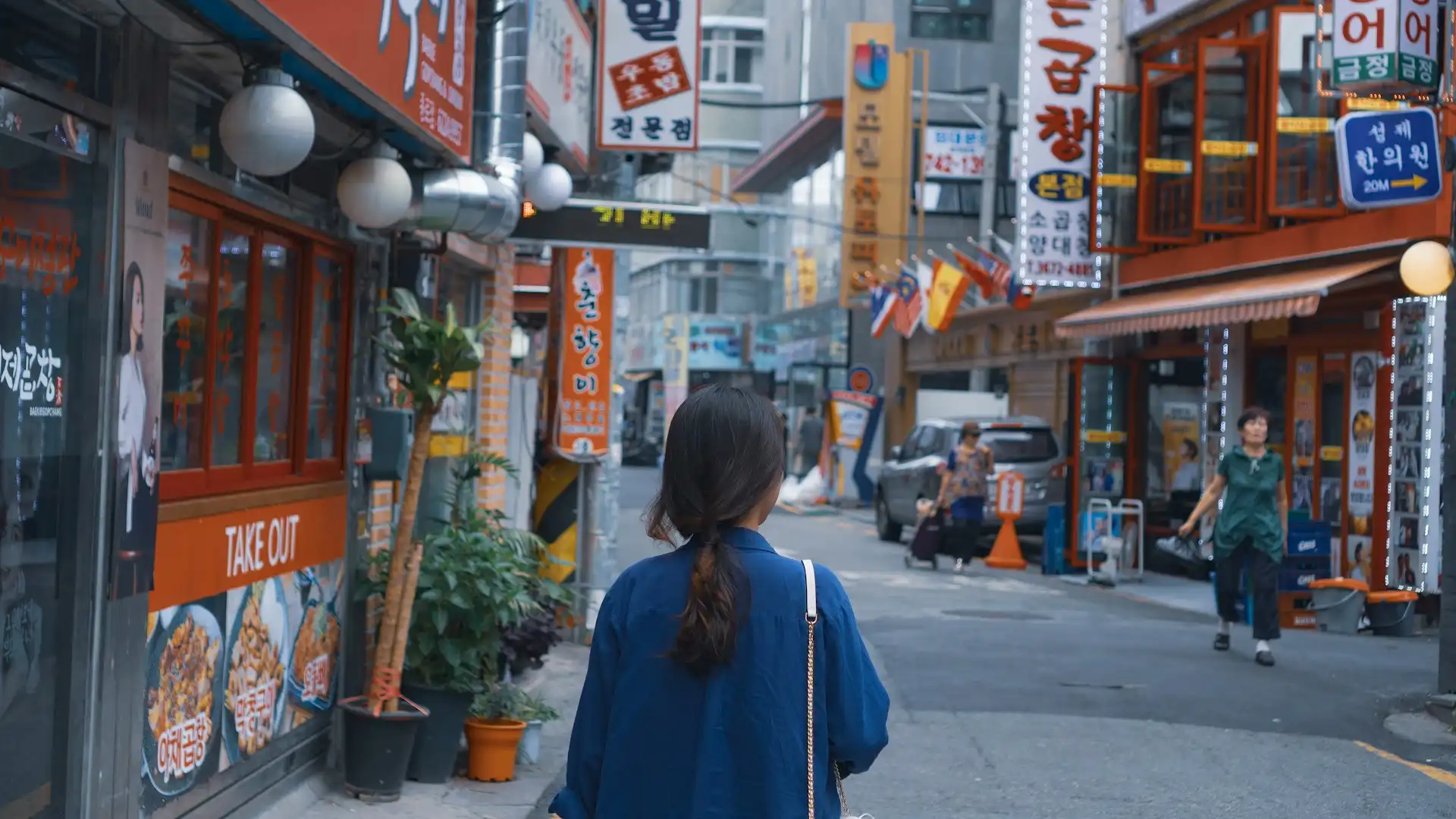
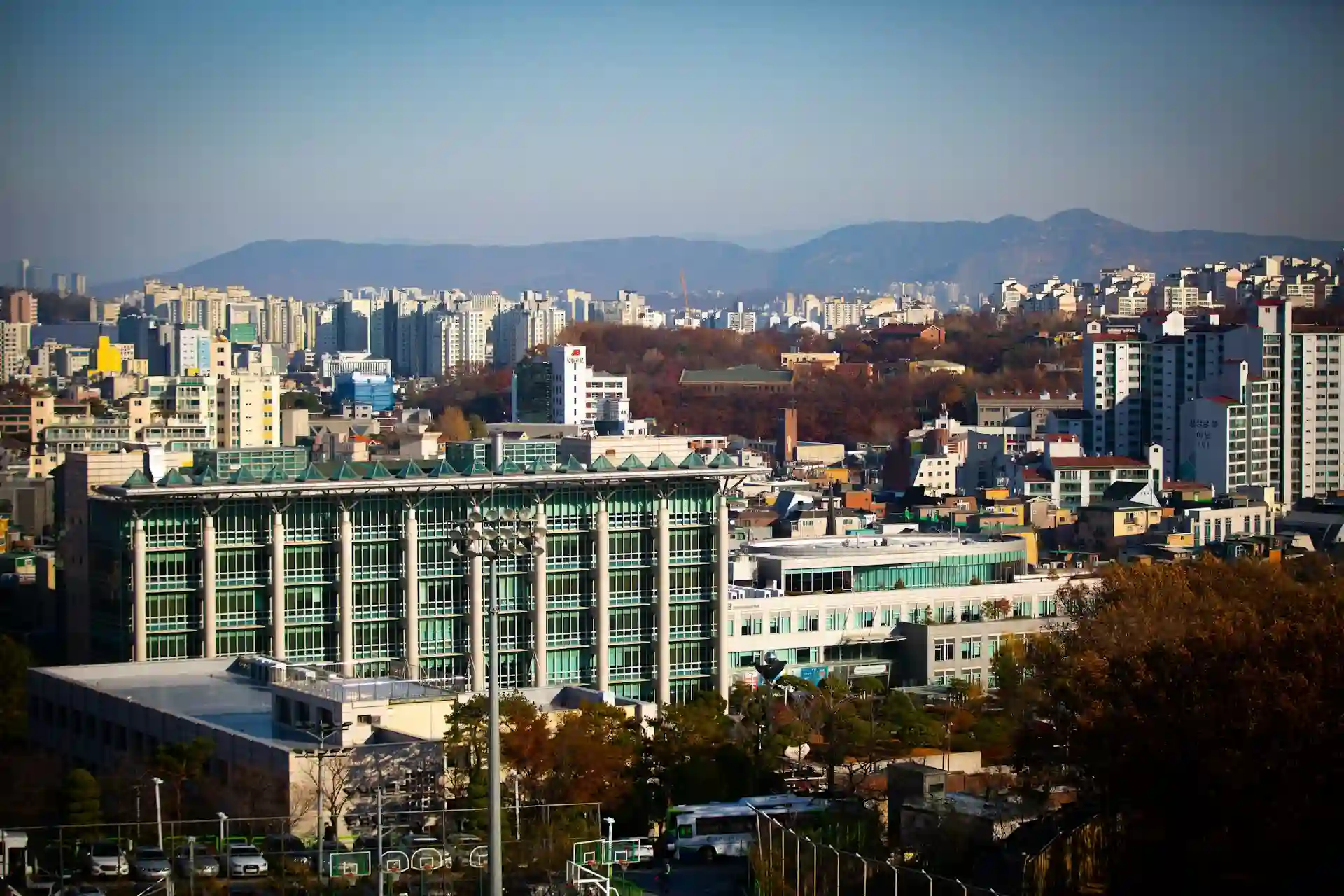
Ask a hundred Nepali students what they expect from studying in Korea, and you'll hear some version of the same picture — beautiful campuses, K-pop, efficient trains, and a fast-paced, exciting life abroad. Most of that is genuinely true. But it's also incomplete, because "student life" isn't really about the highlight-reel moments — it's about the actual daily rhythm: what your dorm room looks like, how you pay for groceries, what happens the first time you're genuinely homesick, and how you make actual friends when your Korean is still shaky.
This guide is built around that gap — a grounded, honest look at what daily student life in Korea genuinely involves, from the practical logistics through the emotional adjustment, so you arrive with realistic expectations rather than a highlight reel.
The First Weeks: Settling In
Your first two to three weeks in Korea are genuinely the most logistically dense period of your entire stay. Beyond attending orientation and meeting your international office, this window is when you need to register for your Residence Card (formerly the Alien Registration Card) at your local immigration office, ideally within your first two weeks rather than waiting close to the legal 90-day deadline. You can check appointment availability and requirements directly through Korea's official immigration portal, HiKorea, which manages Residence Card registration, visa extensions, and most other immigration matters foreign residents will need throughout their stay.
This early period is also exactly when the small cultural and legal missteps covered in Toddle's guide on what not to do in Korea tend to happen — not from bad judgment, but from simply not yet knowing the local norms around things like part-time work permits or apartment noise etiquette.
Housing and Dormitory Life
Most first-year international students start in a university dormitory, which offers a more structured, supervised transition compared to jumping straight into private housing.
| Housing Type | What to Expect |
|---|---|
| University dormitory | Shared or single rooms, often with curfews, visitor policies, and quiet hours; fees typically cover the room itself, with electricity, laundry, and sometimes meal plans billed separately |
| Off-campus rental | Korea's deposit-based rental system (differing significantly from renting norms in Nepal); more independence, but requires navigating leases, usually in Korean |
| Goshiwon (small private room) | A compact, budget-friendly private housing option common in Korean cities, popular among students who want independence without full apartment costs |
A practical tip many first-year students learn the hard way: have a Korean-speaking staff member, senior student, or your university's international office review any off-campus lease before signing, since Korea's rental deposit structure and lease terms differ meaningfully from what most Nepali students are used to.
Food and Daily Meals
Korean food culture is a genuine, daily part of student life, not just something you experience occasionally. Rice, banchan (side dishes), and fermented foods like kimchi appear at nearly every meal, and adjusting your palate — particularly to Korea's spice profile — is a real part of the first few months.
- University cafeterias typically offer affordable meal options, often the cheapest way to eat regularly on campus.
- Convenience stores (GS25, CU, 7-Eleven) are a genuine daily lifeline — offering quick meals, snacks, and even bill payment services, open 24 hours.
- Cooking in a dormitory kitchen, where available, is a common way to manage food costs, though shared kitchen space and equipment availability vary by dormitory.
- Traditional and modern markets offer grocery shopping options, worth exploring specifically for students managing a tighter food budget.
Getting Around: Transportation and the T-money Card
Korea's public transportation — especially in Seoul and other major cities — is genuinely one of the most efficient systems in the world, and mastering it early makes daily life considerably easier.
- T-money (or regional equivalent) transit cards work across buses, subways, and even some taxis and convenience store purchases — acquiring one in your first week is one of the most useful early practical steps.
- Tapping in and out correctly at subway gates is a small habit worth getting right immediately, since missing this step can result in an overcharge.
- Bus types vary — local, express, and intercity buses serve different purposes, worth understanding for longer trips beyond your immediate city.
Academic Culture and Classroom Expectations
Korean university academic culture can differ meaningfully from what many Nepali students are used to — a more hierarchical relationship with professors, strict attendance tracking often tied directly to grading, and a significant emphasis on group projects as part of course structure. Understanding this hierarchy — including appropriate honorific speech levels and classroom etiquette — genuinely eases the academic adjustment, which is part of why building real conversational Korean before arrival, through structured coursework like Toddle's basic Korean language class or advance Korean language class, pays off well beyond just passing a language requirement.
Making Friends: Korean Students vs. International Students
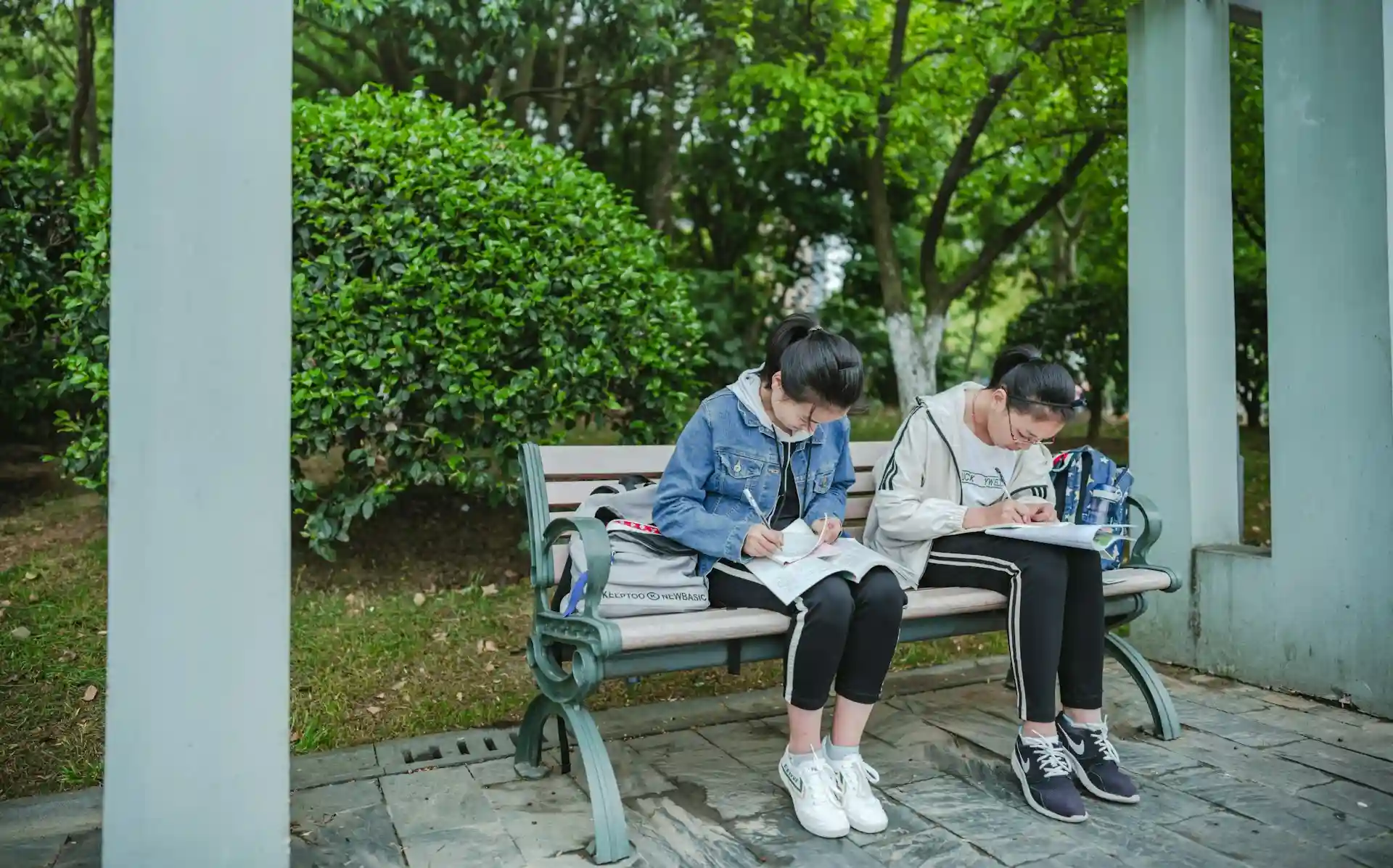
Building genuine friendships in a new country takes real time, and most students find their early social circle forms through two overlapping groups: fellow international students (often through orientation programs, buddy systems, and shared dormitory life) and Korean classmates (which tends to develop more gradually, especially as Korean-language ability improves). A meaningful number of universities run formal buddy or mentorship programs pairing new international students with Korean students specifically to help bridge this gap — worth actively seeking out and participating in during your first semester rather than waiting for connections to happen passively.
Part-Time Work and Campus Life
Once eligible (generally requiring a specific permit and tied to your visa's proficiency and hour-limit rules), part-time work becomes a genuine part of daily student life for many — both financially and socially, since campus and nearby part-time jobs (cafes, convenience stores, tutoring) are a common way international students build both income and practical Korean fluency. Toddle's guides on Korea's visa system, including the D-2 student visa counselling services, cover exactly how these work-permit rules interact with your specific visa status.
Weekend and Social Life
Korean student social life outside class has its own distinctive rhythm:
| Common Social Activity | What It Involves |
|---|---|
| Cafes | An enormous, genuinely central part of Korean social culture — meeting friends, studying, or simply spending an afternoon |
| Noraebang (karaoke rooms) | A hugely popular, affordable group activity |
| PC bang (gaming cafes) | Common casual hangout spots, especially among younger students |
| Hiking | A genuinely mainstream activity in Korea, not a niche hobby — Korea's mountainous terrain makes it widely accessible even from major cities |
| Markets and street food | Popular weekend activities, especially in areas known for specific food or shopping culture |
Seasons and Festivals
Korea has four genuinely distinct seasons, and this shapes daily student life considerably more than students from more climatically uniform regions of Nepal might initially expect — hot, humid summers; cold winters with real snow in many regions; and two shorter, milder transitional seasons.
- Chuseok (Korean Thanksgiving, typically September/October) and Seollal (Lunar New Year) are major holiday periods when much of the country, including many businesses and some campus services, slows down or closes — worth planning around, particularly if you're hoping to travel or need specific services during these windows.
- Cherry blossom season (late March to early April, varying by region) is a genuinely major cultural moment, with parks and campuses drawing large crowds for the bloom.
- Festival culture varies by city and season, with many universities and cities hosting their own local festivals throughout the year.
Cost of Living Day-to-Day
| Expense Category | Typical Monthly Cost (KRW) |
|---|---|
| Dormitory housing | ~800,000–1,500,000 per semester (varies significantly) |
| Food | ~300,000–500,000 |
| Transportation | ~50,000–100,000 |
| Utilities/internet | ~50,000–100,000 |
| Typical total monthly living cost | ~700,000–1,200,000 |
City matters considerably here — Seoul generally sits toward the higher end of this range, particularly for housing, while many other Korean cities run noticeably more affordable.
Healthcare and Wellbeing
Once registered as a foreign resident, enrollment in Korea's National Health Insurance Service (NHIS) is generally required, significantly reducing out-of-pocket medical costs for the kind of routine and occasional healthcare needs that come up during a multi-year stay. You can find official information on enrollment and coverage directly through the NHIS official website, which is worth bookmarking early rather than only looking into it once you actually need care.
Korean universities also commonly offer counseling services, sometimes with English-language or interpretation support — a genuinely important resource, since culture shock and homesickness (covered below) are a normal, expected part of the adjustment most students go through.
Safety in Korea
Korea is widely regarded as one of the safer countries for international students, with generally low violent crime rates and a well-organized emergency response system. Knowing Korea's core emergency numbers — 112 for police, 119 for fire and medical emergencies — and keeping them easily accessible is a simple, worthwhile habit from your very first week, alongside general awareness practices like staying alert late at night and keeping emergency contacts saved.
Homesickness and Culture Shock
This is a genuinely normal, expected part of studying abroad, not a sign of personal failure — and understanding its typical arc helps students recognize it rather than mistake it for something being fundamentally wrong.
| Phase | What It Typically Feels Like |
|---|---|
| Initial excitement | The first weeks, often energized by novelty and new experiences |
| Adjustment difficulty | A harder middle stretch, marked by frustration, homesickness, or fatigue as the novelty wears off |
| Stabilization | A more settled, functional rhythm as routines, friendships, and language ability build |
Practical coping strategies that genuinely help: maintaining a regular routine, staying physically active, building a support network among both international and Korean classmates, and setting a realistic, structured communication rhythm with family back home — a scheduled weekly call, for instance, rather than sporadic, anxiety-driven contact in either direction.
Language Barrier and Why Korean Proficiency Matters Daily
This is worth being genuinely honest about: even in university settings with some English support, day-to-day life — grocery shopping, navigating bureaucracy, ordering food, making Korean friends — depends heavily on functional Korean, especially outside major international hubs like Seoul. Students who arrive having built real conversational ability, rather than starting from zero, consistently report a smoother, faster adjustment across nearly every aspect of daily life covered in this guide.
This is exactly why structured preparation — whether through Toddle's TOPIK I class for exam-focused students or general conversational coursework — genuinely changes the day-to-day experience of living in Korea, not just your academic standing. For students specifically planning around Korea's Global Korea Scholarship or general university admission pathways, the official Study in Korea portal is a useful additional government resource worth reviewing alongside your language preparation.
Technology and Connectivity
- KakaoTalk is Korea's dominant messaging app, used for both social and often semi-official communication with classmates, landlords, and even some university staff — installing it and building familiarity with it is a near-essential early step.
- Naver Map or Kakao Map are considerably more reliable than international map apps for Korean addresses and transit routing.
- A local SIM or eSIM, and eventually a full mobile plan once your Residence Card and bank account are in place, keeps you connected from day one.
Common Adjustment Challenges
| Challenge | What Genuinely Helps |
|---|---|
| Language barrier in daily errands | Building conversational Korean before and during your stay |
| Homesickness | Structured communication routine with family, building local support network |
| Academic hierarchy adjustment | Understanding honorific speech and classroom etiquette expectations early |
| Managing a tighter budget | Using university cafeterias and convenience stores strategically, tracking spending |
| Navigating bureaucracy (Residence Card, banking) | Completing these tasks early, ideally with university or peer support |
| Building genuine friendships | Actively participating in buddy programs and campus social activities rather than waiting passively |
A Realistic Week in the Life
| Day | Typical Activity |
|---|---|
| Monday–Friday | Classes, group project meetings, cafeteria or dorm meals, possibly part-time work shifts (once eligible) |
| Weekday evenings | Studying, language practice, occasional social time with dorm-mates or classmates |
| Saturday | Exploring the city, cafes, markets, or hiking with friends |
| Sunday | Rest, grocery shopping, catching up with family back home, preparing for the coming week |
This rhythm shifts considerably by semester stage — exam periods, in particular, bring noticeably longer library hours and a heavier academic focus, consistent with the attendance and grading expectations covered earlier.
How Preparation Shapes the Actual Experience
Everything covered in this guide — housing, food, academics, safety, homesickness — is genuinely manageable, and most students who prepare well before departure describe their first semester as challenging but positive rather than overwhelming. The students who struggle most consistently share one thing in common: arriving with essentially no functional Korean and no real sense of what daily logistics (Residence Card registration, banking, transportation) actually involve.
This is exactly the gap Toddle's structured preparation — spanning Korean-language instruction, D-2 code and D-4-1 visa counseling, and guidance connected to partner institutions like Gwangju University — is built to close, helping Nepali students arrive in Korea not just visa-ready, but genuinely ready for the actual daily rhythm of life there.
Frequently Asked Questions about Student Life in Korea
1. What's the first thing I should do after arriving in Korea as a student?
Settle into your accommodation, then prioritize registering for your Residence Card within your first two weeks, well ahead of the legal 90-day deadline.
2. Do most international students live in dormitories?
Yes, especially in the first year — dormitories offer a more structured, supervised transition compared to jumping straight into off-campus housing.
3. How much does student life in Korea typically cost per month?
Commonly cited in the range of KRW 700,000–1,200,000, varying significantly by city and housing choice.
4. Is Korean food difficult to adjust to?
Some adjustment is normal, particularly around spice levels, but most students adapt within the first few months, aided by widely available convenience stores and cafeterias.
5. What is a T-money card, and do I need one?
A reloadable transit card used across buses, subways, and some other purchases — acquiring one in your first week makes daily transportation considerably easier.
6. Is it hard to make Korean friends as an international student?
It takes genuine time and effort, but university buddy/mentorship programs and improving Korean-language ability both meaningfully help bridge this gap.
7. Can I work part-time as a student in Korea?
Yes, once eligible, with a proper work permit tied to your specific visa type and Korean-language proficiency level.
8. What are Korea's major holiday periods I should plan around?
Chuseok (Korean Thanksgiving) and Seollal (Lunar New Year) are the two major holiday periods when many businesses and services slow down or close.
9. Does Korea really have four distinct seasons?
Yes — hot, humid summers, cold winters with snow in many regions, and two shorter, milder transitional seasons.
10. Do I need health insurance as a student in Korea?
Yes — enrollment in the National Health Insurance Service is generally required once registered as a foreign resident, significantly reducing medical costs.
11. What are Korea's main emergency numbers?
112 for police, and 119 for fire and medical emergencies.
12. Is homesickness normal during study abroad?
Yes — it's a completely normal, expected part of the adjustment process, typically following an initial excitement phase, a harder adjustment period, and eventual stabilization.
13. How important is learning Korean before I arrive?
Very important — daily life outside major international hubs depends heavily on functional Korean, and students with real conversational ability before arrival consistently report smoother adjustment.
14. What app do I need for daily communication in Korea?
KakaoTalk, Korea's dominant messaging app, used for both social and semi-official communication.
15. Are Korean universities strict about class attendance?
Commonly yes — attendance is often directly tracked and tied to grading, reflecting Korea's more hierarchical academic culture.
16. What's a goshiwon?
A compact, budget-friendly private housing option common in Korean cities, popular among students seeking independence without full apartment costs.
17. Is Seoul more expensive than other Korean cities for students?
Yes, generally — Seoul sits toward the higher end of Korea's living cost range, particularly for housing, compared to many other Korean cities.
18. How do I handle grocery shopping and errands with limited Korean?
It's genuinely more manageable with even basic conversational Korean and apps like Naver Map or Kakao Map — convenience stores also serve as a useful, simple starting point for daily needs.
19. Do universities in Korea offer counseling support for international students?
Many do, sometimes with English-language or interpretation support, specifically to help with the adjustment challenges covered throughout this guide.
20. What's the best way to prepare for student life in Korea before departure?
Building genuine conversational Korean, understanding the practical logistics (Residence Card, banking, transportation) in advance, and setting realistic expectations about the adjustment process all meaningfully ease the actual daily experience once you arrive.
Conclusion: The Real Version Is Better Than the Highlight Reel, But It Takes Preparation
Student life in Korea is genuinely rewarding — efficient, safe, culturally rich, and full of real opportunity — but it's built on a foundation of everyday logistics and gradual adjustment, not the highlight-reel moments alone. Registering for your Residence Card on time, learning your neighborhood's transit routes, adjusting to a new food culture, and building genuine friendships all take real, deliberate effort in those first months.
The students who thrive aren't the ones who expected it to be effortless — they're the ones who arrived prepared for the actual daily rhythm, with real language ability, realistic expectations about culture shock, and a clear understanding of the practical steps ahead of them. Build that preparation deliberately, the way this guide has laid out, and the version of student life in Korea you actually experience ends up being richer, and considerably less stressful, than the one you imagined from a distance.